Interpreters Versus Translation Apps: When It Matters

You are standing at a rental counter after a long flight, trying to explain that your reservation shows one price and the agent is quoting another. Or you are at a property viewing, where a fast conversation about title history, access roads, and utility service is moving ahead without you. This is where interpreters versus translation apps stops being a technology question and becomes a practical decision about clarity, time, and risk.
Translation apps are useful travel tools. A good local interpreter can be far more useful when the conversation affects your safety, money, schedule, or understanding of what happens next. The right choice depends on the situation, the people involved, and how much room there is for a misunderstanding.
Interpreters versus translation apps: the real difference
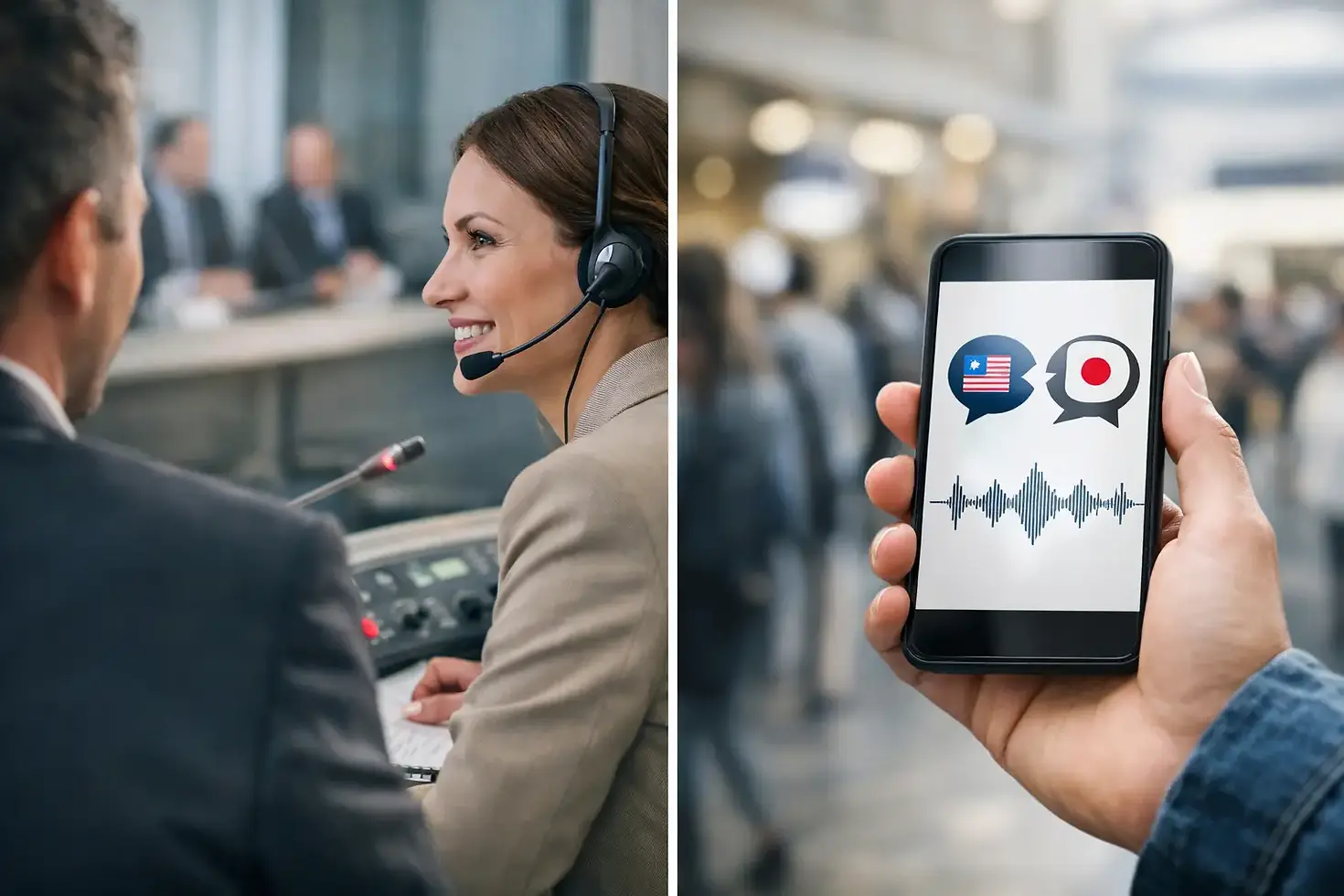
A translation app converts words, typed text, or spoken phrases from one language to another. It can help you read a menu, ask where the restroom is, understand a basic sign, or send a short message to a hotel. For simple exchanges, that may be all you need.
An interpreter handles communication between people in real time. The job is not simply replacing Spanish words with English words. A capable interpreter listens for meaning, asks for clarification when needed, keeps up with a changing conversation, and helps both sides understand the details being discussed. They can also recognize when a phrase has a local meaning that a direct translation misses.
That distinction matters in Costa Rica. Spanish may be the shared language across the country, but speech speed, regional expressions, technical terms, and conversational style can change the meaning of an exchange. An app may produce understandable Spanish while still sounding unnatural, too formal, or incomplete for the moment.
When an app is usually enough
For low-stakes, predictable interactions, an app is often the convenient choice. You may use it to order food, ask for a store location, confirm a simple price, or communicate a basic preference during a tour. Text translation is especially helpful when you have a moment to reread the result and the other person can see what you mean.
Apps also work well as a backup. Downloading Spanish for offline use before a flight is sensible, particularly on long drives or in rural areas where mobile data may be inconsistent. Keep your requests short. Instead of typing a full paragraph, break the message into clear, direct sentences and confirm the important details twice.
The trade-off is that an app cannot reliably manage a layered conversation. It may struggle with poor audio, multiple people talking, slang, names, addresses, measurements, or a speaker who changes direction halfway through a sentence. It also cannot tell you whether someone answered the question you meant to ask rather than the literal words on your screen.
When an interpreter earns their place
Bring in an interpreter when the result of the conversation could cost you money, delay a plan, create confusion, or put you in an uncomfortable position. This is especially true if you need to make a decision on the spot.
A local interpreter is useful for business meetings, real estate visits, contractor discussions, medical appointments, school conversations, banking questions, and immigration or relocation-related errands. These situations involve more than vocabulary. You may need someone to slow down the conversation, make sure figures and dates are understood, explain what information is still missing, and help you leave with clear next steps.
Consider a property visit. A translation app might convert the phrase “the road is passable in winter,” but it will not naturally prompt the follow-up questions that matter: Is access maintained year-round? Who is responsible for repairs? Can a regular car reach the home during heavy rain? Does the route affect moving trucks, deliveries, or emergency access? An interpreter who understands the setting can help make sure those questions are actually asked.
The same applies to business. A meeting may involve negotiation, tone, and relationship-building. Stopping every few seconds to pass a phone around can make the conversation slow and awkward. An interpreter keeps the exchange moving while giving you a better chance to respond thoughtfully.
A phone cannot read the room
The biggest limitation of translation apps is context. They are designed to translate language, not manage human situations.
Suppose a driver, hotel employee, or service provider says, “It can be arranged.” Depending on the conversation, that might mean yes, it might mean they need approval, or it might mean the request is possible only at an additional cost. An app can translate the sentence correctly and still leave you without the answer you need.
Interpreters can ask the useful follow-up: What time? Who will confirm it? What is included? Is there an added charge? Where exactly should we meet? Those details are often what make the difference between a smooth day and a frustrating one.
They can also help with social nuance. Direct phrasing that feels normal in English may sound demanding in Spanish. On the other side, an indirect answer may sound like agreement to an English speaker when it is really a polite way of expressing uncertainty. This does not mean you need an interpreter for every interaction. It means that higher-stakes conversations deserve more than a word-for-word exchange.
Privacy and accuracy matter more than convenience
Before using an app for sensitive conversations, think about what you are entering into it. Passport details, bank information, medical history, contracts, purchase terms, and personal documents should not be treated like a restaurant order. Even if the app performs well, privacy and accuracy deserve extra care.
For legal, financial, medical, or official documents, machine translation is a starting point, not a final authority. A professional translation or qualified interpreter may be needed, depending on the agency, document, or transaction. Do not sign something just because an app gives you a version that sounds close enough. Ask for time to review it properly and confirm what is binding.
An interpreter is not automatically a lawyer, doctor, accountant, or licensed document translator. Their value is clear communication. For specialized matters, use the appropriate professional and make sure everyone understands the interpreter's role.
Choosing the right support for your day
The best approach is often a combination. Use your phone for quick, simple requests. Arrange an interpreter for important appointments. If you are already coordinating airport pickup, a tour, business visit, or property-viewing day, it can be practical to combine transportation and language support with one local contact. Tico Transfers can help travelers organize that kind of on-the-ground support around their schedule.
Before you decide, ask yourself four practical questions:
Is this conversation about a contract, payment, health, safety, or a major travel decision?
Will more than two people be speaking, possibly quickly?
Do I need to ask follow-up questions and understand the full answer?
Would a misunderstanding change my plans or cost me money?
If the answer is yes to any of these, an interpreter is usually the safer choice. If the exchange is straightforward, brief, and easy to confirm visually, an app may save time and work perfectly well.
How to get better results from either option
Whether you use an app or an interpreter, preparation helps. Write down names, addresses, reservation numbers, dates, and the specific outcome you need before the conversation starts. If you are discussing a property, list the questions you do not want to forget. If you are attending a business meeting, share the purpose and key terms with your interpreter ahead of time.
During the conversation, do not be afraid to pause. Ask for numbers to be repeated. Confirm dates in writing. Repeat the final plan in plain language: “So we meet at 8:30 a.m. at this entrance, and the total price includes the return trip.” A reliable person on the other side will appreciate the effort to make the arrangement clear.
A translation app can help you get through a small moment. A good interpreter helps you move through an unfamiliar situation with more confidence. When the conversation has real consequences, choose the support that lets you understand not only the words, but also the decision in front of you.


Comments