How to Move Oversized Items Without the Stress

A king-size mattress, refrigerator, sectional sofa, heavy desk, or several pieces of furniture can turn a simple move into a real logistics problem. To move oversized items safely, you need more than a vehicle with extra space. You need a realistic plan for loading, road access, lifting, timing, and delivery at the other end.
That matters even more when the route includes steep driveways, narrow residential roads, gated communities, unpaved stretches, or homes with stairs. The right transportation arrangement protects your belongings, avoids unnecessary delays, and saves you from trying to solve a difficult problem on moving day.
Start by Measuring What Actually Has to Move
The most common mistake is estimating by sight. A sofa may fit through a front door but not through the hallway. A refrigerator may fit inside a truck but be too tall to clear a low carport or gate. Before arranging transportation, measure the length, width, and height of every large item.
Also measure the access points: doorways, elevator openings, stairwells, gates, garage entrances, and the path from the vehicle to the home. Include tight turns. A large item can have enough clearance in a doorway but still get stuck when it has to pivot around a corner.
Photos are useful, especially for unusual items such as a large safe, pool table, oversized artwork, commercial equipment, exercise machines, or a motorcycle. A photo of the item, the pickup entrance, and the delivery entrance helps determine what kind of vehicle and handling plan makes sense.
Choose the Right Vehicle for Oversized Items
The right vehicle depends on more than cargo size. Weight, weather protection, road conditions, and how many stops are involved all affect the best choice.
A covered cargo vehicle is usually the better option for furniture, appliances, boxes, and household belongings that need protection from rain, dust, and road debris. An open truck may work for durable items, building materials, or equipment, but every item must be properly secured and covered when needed.
Do not assume that a larger vehicle is always better. On some Costa Rica routes, a very large truck may have trouble entering a community, navigating a narrow road, or turning into a steep driveway. In those cases, a smaller vehicle with a planned transfer point may be safer and more practical. It depends on the route and the property access, not just the amount of cargo.
If you are moving only a few bulky pieces, a customized transport service can be more sensible than paying for a full household moving setup. If you are relocating an entire home, the vehicle capacity, loading sequence, and number of trips should be discussed in advance.
Plan the Route, Not Just the Destination
A map can show the distance between two properties, but it cannot always show the real challenges of the route. Low branches, construction, sharp turns, loose gravel, one-lane roads, and seasonal weather can all affect a move.
This is where local coordination makes a difference. A driver who understands the area can help plan around difficult access, confirm the most suitable arrival route, and avoid sending a loaded vehicle toward an entrance it cannot use. For homes in remote areas, it may also be necessary to confirm whether the final driveway is usable for the selected vehicle.
Timing matters as well. Moving a large item during heavy rain can make slippery steps and unpaved driveways more hazardous. Moving during peak traffic can add hours to a route that is normally straightforward. If a building has delivery hours, security requirements, or a reservation system for loading areas, confirm those details before the vehicle arrives.
Prepare Each Item Before Loading
Oversized does not always mean heavy, and heavy does not always mean difficult. A fragile glass table may require more careful preparation than a solid wood cabinet. A washing machine may be compact enough to move through a doorway but heavy enough to require proper lifting equipment and trained handling.
Whenever possible, remove detachable parts before transport. Take legs off tables, remove shelves from cabinets, wrap loose components, and keep screws or hardware in a labeled bag taped securely to the item. Empty drawers and cabinets. This reduces weight, prevents shifting, and protects both the furniture and the people moving it.
For appliances, clean and dry the interior ahead of time. Refrigerators and freezers should be emptied, defrosted, and dried well before loading. If an appliance needs special positioning during transport, mention it when arranging the move. Some items should remain upright to avoid damage.
Use moving blankets, padding, stretch wrap, and corner protection where appropriate. Blankets are not just for appearance. They prevent wood, metal, and painted surfaces from rubbing together as the vehicle moves over uneven roads.
Use Safe Lifting and Secure Loading Practices
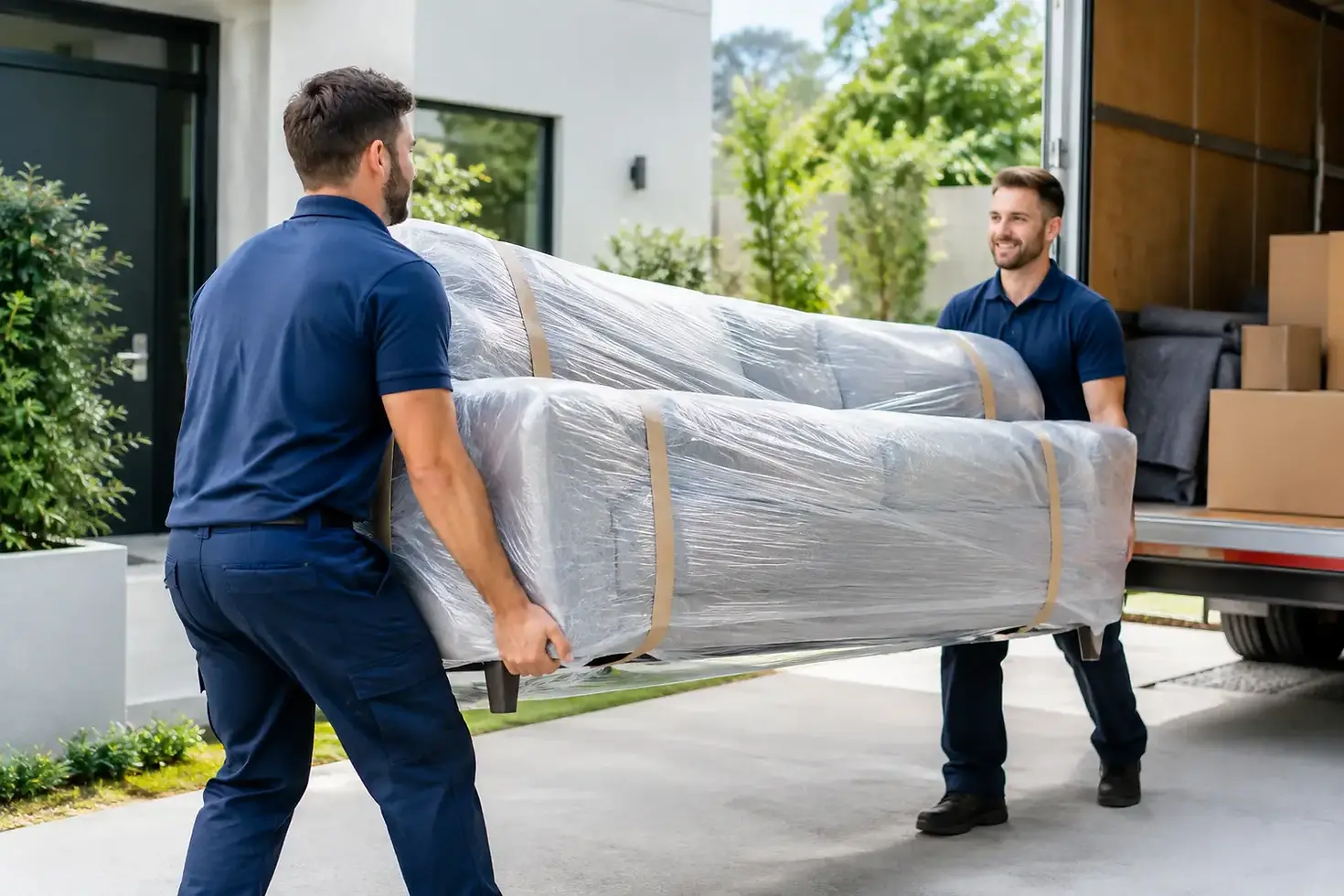
Trying to save time by lifting a heavy item with too few people is one of the fastest ways to cause an injury or damage the item. A proper move may require dollies, straps, ramps, furniture pads, and enough people to control the load from pickup to delivery.
Before loading begins, clear the walking path. Move rugs, loose boxes, plants, and anything that could create a trip hazard. Keep children and pets away from the work area. If the route includes stairs, wet surfaces, or a steep incline, say so before the move is scheduled.
Inside the vehicle, oversized items should be placed in a way that distributes weight safely. Heavy items generally belong low and stable, with lighter and more fragile pieces protected above or around them. Nothing should be left loose. Braking, turns, and rough pavement can shift unsecured cargo quickly.
A basic moving-day check should cover these points:
Measurements and photos have been shared for large or unusual items.
Pickup and delivery access have been confirmed, including gates and stairs.
Fragile surfaces, removable parts, and appliances have been prepared.
The vehicle has suitable protection and securement equipment.
Someone is available at both locations to provide access and answer questions.
Know When Extra Help Is Worth It
Some oversized items need more than transportation. A very heavy safe, grand piano, large commercial machine, or specialty piece may require equipment or handlers with specific experience. Be upfront about the item rather than hoping it can be managed on arrival.
The same is true when moving into a second-floor condo, a hillside home, or a property with difficult access. A short distance from the vehicle to the door can still involve a complicated carry. Clear information helps avoid last-minute surprises and lets the moving plan match the real conditions.
For customers relocating, it can also help to combine transportation with other practical support. Tico Transfers can coordinate customized moving transportation for a few large items or a household move, with the personal communication needed when plans change or access requires extra attention.
Keep Communication Open Until Delivery Is Complete
A good moving plan includes a direct contact person, pickup time window, delivery address, and clear instructions for each location. If the destination is difficult to find, provide landmarks, gate details, or a contact number for someone already there. This is especially useful in areas where addresses are not always obvious from the road.
Check each large item at delivery before the crew leaves. Confirm that it has reached the intended room, not just the front door. If something cannot fit through an opening as planned, it is better to address it calmly at that moment than discover the issue after the vehicle has departed.
Moving oversized items is rarely about brute strength. It is about preparation, suitable equipment, and people who understand the route and the job. A few measurements and an honest conversation before moving day can turn a stressful haul into a controlled, safe delivery.


Comments